Mar 01

I went on a tour of the SIDA at JAX (Jacksonville Int’l Aiport) last Saturday and it was amazing. From the baggage handling to the bird mitigation, I got to see how they handled operations. Here is one of my favorite photos that I took, of a Southwest Airlines 737 taxing to the ramp. I’ll upload more to an album on Flickr later.

Southwest Airlines Boeing 737

N774SW taxing to the ramp at JAX

Mar 01

I’m thinking of resuming this blog to share my stories from my Embry-Riddle Daytona Beach.  I just need more time, but once the time opens up expect a major revamp and more updates.

Tagged with:
Jun 14

Check out the HTHMA Garden website!

http://sites.google.com/site/hthmagarden/home

John O’Reilly’s Class at High Tech High Media Arts, Point Loma, San Diego, California

Tagged with:
May 12

The Future of Nuclear Generated Electricity

“A clean air solution is needed to mitigate the movement of carbon through electricity generation, as the current methods of generating electricity produce a significant amount of emissions, and this is expected to rise.”

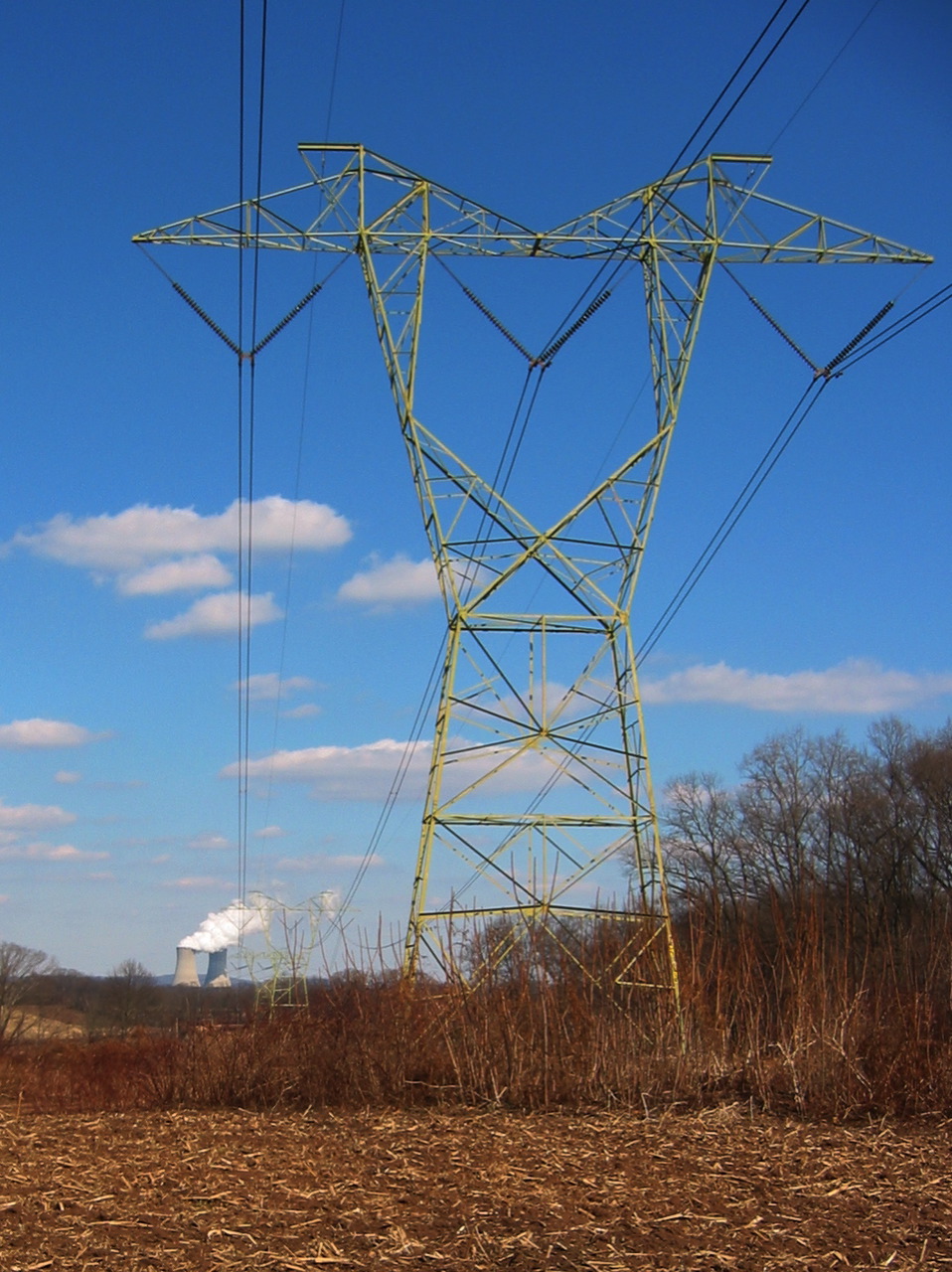
PTW Nuclear Powerplant

Pottstown Limerick NPP/Used via Creative Commons License, Photo by: Mike Webkist

Electricity is important, it is the engine that drives everyday operations and technological advances. However, our society is growing at an unprecedented rate and our electricity demands continue to rise exponentially. We are projected to use 28 terawatts worldwide in 2110, compared to the 13 TW of electricity our society uses now (Lewis, 2005).

In addition, the current generation methods used for energy produces a substantial amount of carbon dioxide emissions into the atmosphere. The purpose of my research is to show that nuclear energy is a feasible method for mass production of energy in the future, as nuclear energy is a clean air generation method, it provides a substantial amount of energy, and it has the ability to utilize a closed fuel cycle enabling for a more efficient use of supplies. My research also explores the concerns that we need to address before large-scale deployment.

Since Nuclear energy is a clean air generation method, it does not release carbon dioxide emissions when in operation. A clean air solution is needed to mitigate the movement of carbon through electricity generation, as the current methods of generating electricity produce a significant amount of emissions, and this is expected to rise. Nuclear energy produces a substantial amount of energy for its footprint.

One of the largest hurdles to large-scale deployment of nuclear energy is the disposal of waste and the safety of transporting the waste. An alternate waste “reuse” method can be implemented to cut down on waste.

We cannot rely solely on nuclear power in the future, however, we will probably see more nuclear energy plants being built and more nuclear reactors deployed during the next 100 years. Though not the complete answer to solving our energy crisis, nuclear energy is a feasible method of planning for tomorrow’s energy requirements.

Tagged with:
May 09
PTW Nuclear Powerplant

Pottstown Limerick NPP/Used via Creative Commons License, Photo by: Mike Webkist


“A clean air solution is needed to mitigate the movement of carbon through electricity generation, as the current methods of generating electricity produce a significant amount of emissions, and this is expected to rise.”

Electricity is important, as it is the engine that drives everyday operations and technological advances. However, our society is growing at an unprecedented rate and our electricity demands continue to rise exponentially. We are projected to use 28 terawatts worldwide in 2110, compared to the 13 TW of electricity our society uses now (Lewis, 2005).

In addition, the current generation methods used for energy produces a substantial amount of carbon dioxide emissions into the atmosphere. The purpose of my research is to show that nuclear energy is a feasible method for mass production of energy in the future, as nuclear energy is a clean air generation method, it provides a substantial amount of energy, and it has the ability to utilize a closed fuel cycle enabling for a more efficient use of supplies. My research also explores the concerns that we need to address before large-scale deployment including safety reputation of nuclear energy, operational costs, and waste mitigation.

While nuclear energy has a bad reputation from the Three Mile Island and Chernobyl incidents, the Nuclear Regulatory Commission (NRC) is committed to a safe future of nuclear energy generation as it can play a key role in tomorrow’s energy generation.

Since Nuclear energy is a clean air generation method, it does not release carbon dioxide emissions when in operation. A clean air solution is needed to mitigate the movement of carbon through electricity generation, as the current methods of generating electricity produce a significant amount of emissions, and this is expected to rise. Nuclear energy produces a substantial amount of energy for its footprint. The findings presented in my research compare a San Diego County nuclear power plant to a nearby wind farm, and explore the efficiency of both based on the amount of land the generation stations utilize.

One of the largest hurdles to large-scale deployment of nuclear energy is the disposal of waste and the safety of transporting the waste to the site. An alternate waste “reuse” method can be implemented to breed the used uranium into plutonium to cut down on waste, which is currently being done successfully to power the country of France using nuclear energy.

We cannot rely solely on nuclear power in the future, however, we will probably see more nuclear energy plants being built and more nuclear reactors deployed during the next 100 years. Though not the complete answer to solving our energy crisis, nuclear energy is a feasible method of planning for tomorrow’s energy requirements.

May 03
PTW Nuclear Powerplant

Pottstown Limerick NPP/ Used via Creative Commons License, Photo by: Mike Webkist

“A clean air solution is needed to mitigate the movement of carbon through electricity generation, as the current methods of generating electricity produce a significant amount of emissions, and this is expected to rise.”

Electricity is important, as it is the engine that drives everyday operations and technological advances. However, our society is growing at an unprecedented rate and our electricity demands continue to rise faster than an increase. We are project to use 28 terawatts worldwide in 2110, compared to the 13 TW of electricity our society uses now.

In addition, the current generation methods used for energy produces a substantial amount of carbon dioxide emissions into the atmosphere. The purpose of this paper is to show that nuclear energy is a feasible method for mass production of energy in the future, as nuclear energy is clean air, it provides for a substantial amount of energy, and it has the ability to utilize a closed fuel cycle enabling for a more efficient use of supplies. This paper also explores the concerns to address before large-scale deployment including safety reputation of nuclear energy, operational costs, and waste mitigation.

While nuclear energy has a bad reputation from the Three Mile Island and Chernobyl incidents, the Nuclear Regulatory Commission (NRC) is committed to a safe future of nuclear energy generation as it can play a key role in tomorrow’s energy generation.

Since Nuclear energy is clean air, it does not release carbon dioxide emissions when in operation. A clean air solution is needed to mitigate the movement of carbon through electricity generation, as the current methods of generating electricity produce a significant amount of emissions, and this is expected to rise.

Nuclear energy produces a substantial amount of energy for its footprint. The findings presented in the paper compare a San Diego County nuclear power plant to a nearby wind farm, and the nuclear power plant produces more energy per acre.

One of the largest hurdles to large-scale deployment of nuclear energy is the disposal of waste and the safety of transporting the waste to the site. An alternate waste “reuse” method can be implemented to breed the used uranium into plutonium to cut down on waste.

We cannot rely solely on nuclear power in the future, however, we will probably see more nuclear energy plants being built and more nuclear reactors deployed during the next 100 years. Though not the complete answer to solving our energy crisis, nuclear energy is a feasible method of planning for tomorrow’s energy requirements.


Tagged with:
May 03

My idea for exhibition is smoothie tastings!

Here is a recipe that I am considering from “smoothie-recipes.com”

The Robert Kuhl-Aid (Strawberry Banana)

An easy strawberry banana smoothie recipe usually consists of nore more than a few strawberries, one ripe banana and some type of liquid like milk or juice. An example of easy strawberry banana smoothie recipe is listed below:

Ingredients:
6 large strawberries
1 banana
1 cup of whole milk

Directions:
Just blend all ingredients till smoothy texture is formed and all fruits well blended. See how easy a mix that was, no need to add any extra flavoring because the fruits provide all the great taste in this smoothie.

We could get the strawberries from the garden, but only if we can produce a lot. If not, we will go to Trader Joes or a local farmers market and get Carlsbad based strawberries. They are in season here in California. Right now, I don’t know where I would find the bananas, but I don’t want to import them from the southern hemisphere.

See the blog post below for more information.

Tagged with:
Apr 29

One of my ideas that I have for our garden exhibition for Environmental Science is to make smoothies using the fruits (and/or vegetables) of the garden and selected fruits from Trader Joes. I’ve heard from John that the strawberries from the garden are tasty, and I would definitely incorporate those, but I would probably purchase local (non-Ecuadorian, Guatemala, etc.) bananas to add to the smoothie. We can then create a placard for exhibition that shows the origins of the fruits in the smoothie and compare it to the origins of the fruits from Jamba Juice. I could try to bring in my mom’s Vita Mix in order to make a lot of smoothies and to provide samplings for everyone. If we had to incorporate a third ingredient, I would probably choose oranges.

What would be really cool about this is that it will be tasty but really good for you, all the vitamins in the fruits.

Another idea I am tossing around (pardon the pun) is a delicious fruit salad! This will be easy, as it requires no heating and can be prepped the night before and would basically be the same thing as the smoothie just in solid form and with other ingredients that I would draft with my partners.

I look forward to this tasty exhibition, and sharing with the community the fruits of our labor.

Tagged with:
Apr 27

Food Inc evoked many different emotions from me, from concern to the animals being treated improperly to sadness over Kevin’s death from E. coli, and all the commons themes/emotions have to do with the deplorable lack of corporate responsibility.

We are constantly told by our parents growing up that our choices have consequences; good choices have good consequences and bad choices have bad consequences. After watching this film, it is apparent that these food corporations are somehow exempt from the consequences of their negligence. They are uses improper procedures and it is having a bad effect, the animals are getting sick and passing it along to the humans. This is normally because the procedures they are taking yield more money for them (such as hiring cheap illegal labor and feeding cows corn that takes less time to make them fat enough for slaughtering) with little to no regard to what their choices are doing.

It saddens me that these companies have so much control over our lives, and we don’t even realize it because we normally don’t think twice about the originations of our food and how the animals/workers have been treated, and how all this “greed” surrounds this food.

I believe what hurt me the most was that the food company that was responsible for Kevin’s death by E. coli didn’t accept responsibility for his untimely death, acting like tainted meat was beyond their control. It is obvious it wasn’t and by taking some simple procedures of caring about the customers and not just “How can we make more money” this could have been prevented.

I think this states that as a society we are very greedy and care only about money and not basic human respect. It really annoys me that this is the way corporate America is, from oil companies down to the food we purchase. I was definitely impacted by this and will try to be more conscious about where my food comes, even though it was hard. I really learned a lot about cooking from the Chi Chocolat demonstration today that showed how cooking your own food could be fun and doesn’t need to contain meat. I enjoyed the presentation and think the timing was great to do that activity after watching Food Inc, if we were to do it before I don’t think I would have gotten the same affect out of it. I would have asked “where’s the meat?”

One of a discussion prompts that I would have liked to have brought up in a Socratic Seminar was “All things considered, was the organic yogurt’s contract with Wal*Mart as good as the farmer made it sound.” We have to consider that the only reason Wal*Mart wanted it was to stay current with the trends of the consumers in order to earn even more money, the only green thing corporations seem to care about.

Tagged with:
Mar 08
  1. I.     Intro
    1. Electricity is everywhere in our modern world…
    2. Electricity vs Energy
      1. i.     What is Energy?
    3. Current Statistics
      1. i.     US = 3 TW/yr
      2. ii.     World = 13 TW/yr
        1. Nate Lewis Lecture
    4. Projected Statistics 2050
      1. i.     World = 28 TW/yr
    5. Current Electricity Generation
      1. i.     High CO2 Emissions
    6. Feasible Method for Future (thesis)
      1. i.     Introduce Nuclear
      2. ii.     A feasible method of generating enough electricity to meet future demands is to deploy more nuclear reactors worldwide, as they are clean air, they provide for a substantial amount of energy, and they use a closed fuel cycle enabling for a more efficient use of supplies. However, there are many concerns to fix before large scale deployment including safety, the operational cost, and waste mitigation.
  2. II.     Why Nuclear Has Negative Image
    1. Chernobyl and Three Mile Island Incidents
      1. i.     Radiation from Chernobyl
      2. ii.     Radiation felt all over Europe and North America
      3. iii.     TMI: Mechanical Failure vs. Chernobyl Operator Error + Mechanical Failure
    2. Lessons Learned
      1. i.     Fail safe mechanisms
      2. ii.     Accidents paved the way to safer future through new technological advances
      3. iii.     Nuclear Regulatory Commission
  3. III.     Nuclear = Clean Air
    1. No CO2 Emissions
    2. IPCC
      1. i.     Stance on global warming
      2. ii.     “Human Induced”
  4. IV.     Substantial amount of Energy produced
    1. SONGS Stats
      1. i.     2,254 MW of power at any given time
      2. ii.     2.75 million households energy demand
    2. Compared to Wind Energy (renewable)
      1. i.     Case Study: San Gorgonio Windfarm off Interstate 10
      2. ii.     Produces only 615 MW of power
    3. Compare the amount of facilities
  5. V.     Operation Cost
    1. High Cost of Operation vs. Low Cost of Uranium
    2. Capital Needed to Build Plant
      1. i.     Possible government subsidies?
      2. ii.     Incentives to Power Companies to utilize Nuclear
      3. iii.     Promise investors big ROI
    3. Comparison of cost of uranium to cost of other supplies
    4. Overall, the cost is offset in the long run
      1. i.     If not monetary than environmental
  6. VI.     Benefits of Closed Fuel Cycle
    1. Nuclear Fission taking place in just the reactor
    2. Uranium doesn’t leave reactor during process
    3. Three loops until discharge
      1. i.     The steam you see coming out of cooling towers has no radioactive materials in it.
    4. Waste is removed following NRC protocols
  7. VII.     Con: Storage of Waste
    1. One of the biggest issues we currently face prior to large scale nuclear deployment
      1. i.     Where do we store the waste?
    2. Yucca Mountain
      1. i.     Nuclear “landfill”
      2. ii.     Rural Nevada
    3. How do we transport the waste there?
      1. i.     What happens if there is an abnormality during the transportation of the waste?
    4. Possible Solutions?
      1. i.     Sequestering waste on site
      2. ii.     Is it possible?
  8. VIII.     Uranium vs. Other Stuff
    1. i.     “One low-cost pellet of uranium 235 — weighing a few ounces — produces the same amount of energy as 140 gallons of oil, 150 gallons of gasoline, 2,000 pounds of coal or 17,000 cubic feet of natural gas. “
    2. Non Renewable
      1. i.     Plentiful
      2. ii.     Breeding
        1. Forced decay from Uranium to Plutonium
  9. IX.     Conclusion
    1. We can’t rely completely on Nuclear Power to solve our future electricity demands
      1. i.     Nate Lewis’ “a plant every other day for 50 years” analogy
    2. Deploying many nuclear sites will still play a huge role in planning for tomorrow’s energy requirements.
Tagged with:
preload preload preload